Underground Mining Safety Hazards & Ventilation Challenges
Underground excavation sites present extreme environmental hazards where poor air circulation, combustible gases, and static accumulation create high explosion risks. Choosing the proper flexible ventilation duct is critical for life support and hazard prevention.
Methane Gas (CH4) Accumulation
Methane pockets released during coal seam extraction can rapidly reach explosive concentration thresholds (5% to 15% in air). Continuous high-volume fresh air dilution via leak-proof ventilation ducting is required to maintain gas concentrations below dangerous levels.
Electrostatic Discharge (ESD) Sparks
High-velocity air carrying microscopic coal dust particles creates friction against synthetic duct walls, generating thousands of static volts. Standard non-conductive plastic ducting can discharge electric sparks, igniting surrounding explosive gas atmospheres.
Combustible Coal Dust Explosions
Suspended fine coal dust particles act as a secondary fuel source. Once ignited, a dust explosion generates devastating shockwaves and intense heat. Flame propagation through ventilation lines must be prevented using self-extinguishing flame-retardant materials.
Material Architecture & Key Technical Parameters
High-performance underground flexible air ducts require heavily engineered composite textiles. Our advanced PVC-coated fabrics combine high tensile polyester matrix cores with protective conductive polymer surfaces.
Flame Retardant & Anti-Static Technology
Underground safety standards demand zero compromise on material chemistry. Foresight ducting fabric incorporates microscopic nano-conductive carbon black networks throughout the inner and outer PVC layers to deliver continuous, non-decaying electrical grounding paths.
- Surface Electrical Resistance: Scaled strictly within 1×10⁶ Ω to 3×10⁸ Ω, preventing static potential accumulation.
- Flame Self-Extinguishing Time: Less than 2 seconds after removal of direct ignition source (LOI > 32%).
- Tear & Tensile Resilience: Woven high-density 1000D–2000D industrial polyester filaments withstand high differential air pressures and physical abrasion.
- Airtight Coating Integrity: Ultra-low air leakage rate ensured via seamless hot-melt heat sealing technology.
Engineering Parameter Matrix
International Underground Safety Standards
Mining safety mandates strict compliance with national and global testing authorities. Ensure your equipment meets mandatory flame and electrostatic conductivity standards before deployment.
MA Safety Mark
Mandatory Safety Mark certification for mining products, guaranteeing strict compliance with underground methane and dust explosion protocols.
DIN 22100-1
German standard for anti-static and fire safety characteristics of flexible ventilation ducts utilized in underground coal mining operations.
ASTM D6413 / E84
Standard test methods for flame resistance of textiles and surface burning characteristics of building materials in North America.
ISO 9001 / 14001
Internationally recognized quality management and environmental system certifications ensuring consistent industrial manufacturing excellence.
Selecting Positive vs. Negative Pressure Duct Systems
Underground ventilation systems operate under positive blow ventilation or negative exhaust conditions. Choosing the correct mechanical structure prevents duct collapse and air volume loss.
| Duct System Type | Underground Application | Structural Construction | Pressure Resistance | Key Advantages |
|---|---|---|---|---|
| Positive Pressure Flexible Duct | Forcing continuous fresh air into long tunnels and blind headings. | Flat-lay PVC coated high-strength polyester fabric with reinforced end coupling rings. | High positive blow pressure (Up to 5,000+ Pa) | Lightweight, easy extension, compact storage, ultra-low drag coefficient. |
| Negative Pressure Spiral Duct | Exhausting toxic fumes, welding smoke, blasting dust, and methane gas. | Embedded high-tensile steel wire helix encapsulated in PVC fabric casing. | High vacuum negative pressure resistance (prevents collapsing) | Maintains full cross-sectional airflow area even under extreme negative suction. |
| Insulated Flexible Ducting | Cooling air supply in deep underground mines with thermal heat issues. | Double-layer PVC shell with interior insulated insulation layer. | Medium to High Pressure | Prevents thermal gain over long distances, improving underground working comfort. |
◈ Who We Are
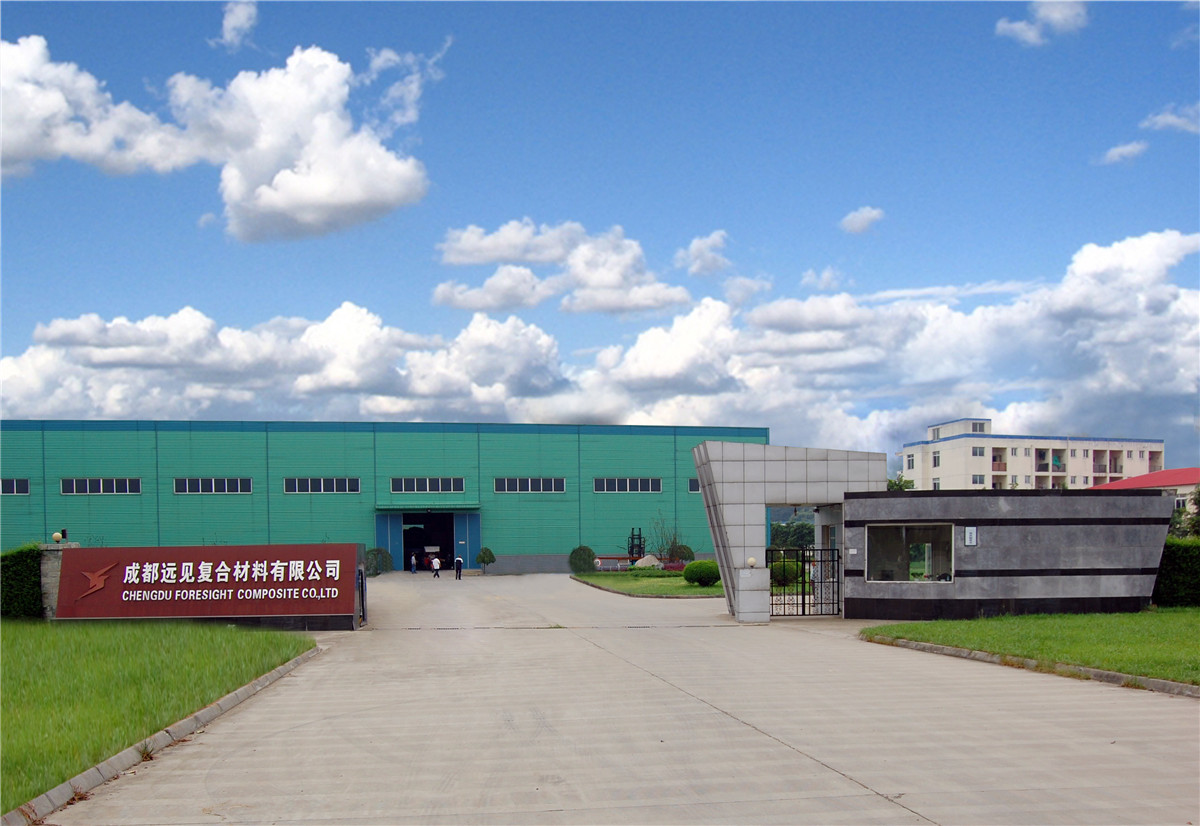
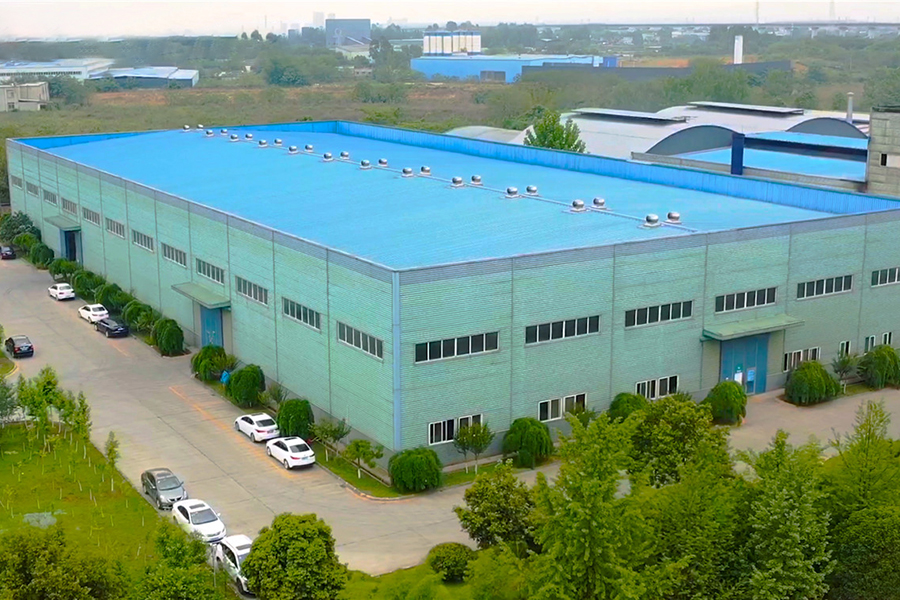
Chengdu Foresight Composite Co., Ltd. was founded in 2006 and has assets worth more than CNY 100 million. It is a full-service composite material company that provides everything from base fabric, calendered film, lamination, semi-coating, surface treatment, and finished product processing to engineering design and on-site installation technical support. Tunnel and mine ventilation duct materials, PVC biogas engineering materials, construction tent materials, vehicle and ship tarpaulin materials, special anti-seepage engineering and storage containers, materials for liquid storage and water tightness, PVC inflatable castles, and PVC water amusement facilities are among the products used in industries such as security, environmental protection, infrastructure, entertainment parks, new building materials, and others. Products are sold in Europe, America, the Middle East, Southeast Asia, Africa, and other countries and areas through product sales outlets located throughout the country.
◈ Why Choose Us?
Foresight has a long-term successful cooperation with the Chinese Academy of Sciences' Chengdu Branch, the Chongqing Academy of Coal Science, the Ministry of Agriculture's Biogas Research Institute, Sichuan University, DuPont, the France Bouygues Group, Shenhua Group, China Coal Group, China Railway Construction, China Hydropower, China National Grain Reserve, COFCO, and other units to develop special composite materials in a variety of fields. Foresight has received more than 10 national patents in a row, and its unique antistatic technology for underground ventilation duct fabric has won the State Administration of Work Safety's Safety Science and Technology Achievement Award.
Installation & Grounding Best Practices
Even the highest quality anti-static air duct can fail if installed incorrectly. Adhere to strict mining engineering practices to ensure continuous safety performance.
1. Earth Bonding & Continuity
Ensure that metal coupling rings and embedded spiral steel wires are electrically connected across every duct section and grounded to the main underground earth grid to discharge static build-up instantly.
2. Tension & Alignment Suspension
Suspend ducts along the roof or side walls with proper messenger wire tensioning. Avoid sagging or sharp bends, which create air turbulence, head loss, and friction hot spots.
3. Routine Surface Resistance Testing
Periodically measure surface electrical resistance ($R_s$) using a high-resistance megohmmeter to ensure anti-static properties remain within safe thresholds despite dust layer build-up.
Frequently Asked Questions on Underground Air Ducting
Technical clarification on selecting, deploying, and maintaining safe flexible ducting in underground mining operations.
Why is standard PVC ducting prohibited in underground coal mines?
Standard PVC is an electrical insulator with high surface resistance (>10¹² Ω). When high-velocity air passes through, it generates significant static charge build-up that cannot dissipate. This static can discharge as a spark, igniting volatile methane or coal dust. Furthermore, standard PVC burns readily and produces toxic fumes unless specially compounded with flame retardants.
What is the ideal surface resistance for underground anti-static air ducts?
Underground coal mining standards (such as MA certification and DIN 22100) specify that surface electrical resistance must not exceed $3.0 \times 10^8 \, \Omega$. For ultra-hazardous gaseous mines, customized high-conductive options with surface resistance under $1.0 \times 10^6 \, \Omega$ are strongly recommended.
How do I calculate the correct duct diameter for long tunnel ventilation?
Duct diameter selection depends on required airflow volume (CFM or m³/s), fan static pressure capacity, and tunnel length. Larger duct diameters significantly reduce frictional head loss. Engineering teams typically compute total pressure drops using modified Atkinson friction factors specific to flexible coated fabric ducting.